In the complex landscape of modern business operations, customer operations teams face a persistent and costly challenge that goes far beyond missing data. While most organizations have invested heavily in robust ERP and CRM systems, the real problem lies in the gap between what these systems promise and what customers actually experience.
Customer Operations teams rarely suffer from missing data - they suffer from conflicting data. When ERP systems show one delivery date, CRM systems display another, and operational tracking suggests yet another timeline, the result is inevitable: customers receive incorrect information, unrealistic commitments, and ultimately, a damaged relationship with your organization.
The Hidden Cost of System Misalignment
The impact of ERP-CRM misalignment extends far beyond simple data inconsistencies. Consider these common scenarios that every customer operations professional recognizes:
- Promise vs. Reality: Sales teams commit to delivery dates based on CRM availability data, while production schedules in the ERP system tell a completely different story
- Inventory Illusions: Customer service representatives promise product availability based on CRM stock levels that don't reflect real-time ERP inventory or committed orders
- Status Confusion: Order tracking systems show conflicting progression states, leaving customers and internal teams unable to understand actual order status
- Pricing Discrepancies: CRM pricing models may not reflect current ERP cost structures, contract terms, or approved discount levels
The Customer Impact: When internal systems don't align, customers experience the failure directly - missed deliveries, incorrect communications, pricing disputes, and the erosion of trust that takes months or years to rebuild.
Why AI Detection Isn't Enough
Advanced AI systems can indeed detect discrepancies between systems with impressive accuracy. Machine learning algorithms can identify when inventory levels don't match, when delivery dates conflict, or when customer data differs across platforms. However, detection alone solves nothing without coordinated action.
The critical gap lies between identification and resolution. Knowing that systems are misaligned doesn't automatically:
- Determine which system contains the authoritative data for specific scenarios
- Trigger appropriate corrective actions across multiple systems
- Update customer communications with accurate information
- Escalate critical discrepancies to the right decision-makers
- Prevent similar discrepancies from occurring in the future
The Orchestration Imperative
This is where orchestration becomes essential. Without a coordinated response mechanism, AI detection becomes an expensive alerting system that generates more work for already overwhelmed operations teams.
The n8n Solution: Unified Customer Operations Flow
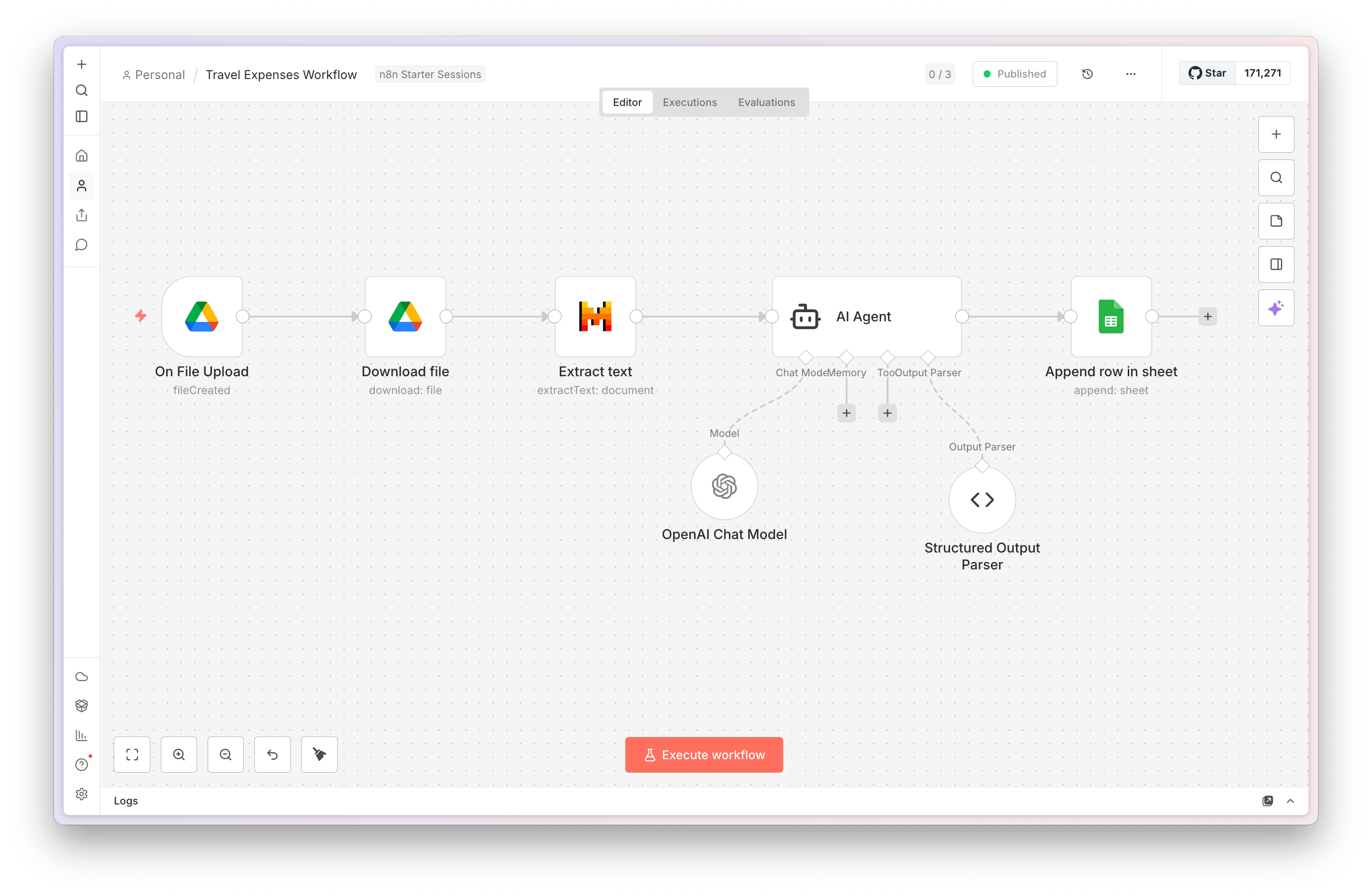
n8n transforms customer operations by creating a single, orchestrated flow that connects ERP, CRM, and delivery systems into a cohesive, responsive operation. Instead of managing disparate systems independently, organizations can establish intelligent workflows that ensure consistency across all customer touchpoints.
Automatic Reconciliation
n8n workflows continuously monitor data across systems and automatically reconcile discrepancies based on predefined business rules:
- Data Authority Mapping: Establish clear hierarchies for different data types - inventory from ERP, customer preferences from CRM, shipping status from logistics systems
- Real-time Synchronization: Changes in one system immediately trigger updates in connected systems, maintaining consistency without manual intervention
- Conflict Resolution Logic: When discrepancies occur, automated workflows apply business rules to determine correct values and update all systems accordingly
Intelligent Prioritization
Not all discrepancies require immediate attention. n8n workflows can intelligently prioritize issues based on:
- Customer importance and contract value
- Delivery timeline criticality
- Potential financial impact
- Historical escalation patterns
Proactive Customer Communication
Perhaps most importantly, n8n enables proactive rather than reactive customer communication. Instead of waiting for customers to call about delays or discrepancies, automated workflows can:
- Detect potential delivery issues before they become problems
- Automatically update customers with accurate, real-time information
- Provide alternative options when original commitments cannot be met
- Escalate complex situations to human agents with full context
Operational Reality: Customer communication should reflect operational reality, not outdated CRM snapshots. n8n ensures that every customer interaction is based on the most current, accurate information across all systems.
Measurable Business Impact
Organizations implementing n8n-based customer operations workflows consistently achieve significant improvements:
Strategic Advantages
Beyond operational efficiency, unified customer operations deliver strategic benefits:
- Enhanced Customer Trust: Consistent, accurate communication builds confidence and strengthens relationships
- Competitive Differentiation: Reliable delivery commitments and proactive communication become competitive advantages
- Operational Agility: Faster response to supply chain disruptions and market changes
- Revenue Protection: Reduced order cancellations and customer defections due to service failures
Implementation Considerations
Successfully implementing unified customer operations requires careful attention to several critical factors:
Data Governance
Establish clear data governance policies that define:
- Which systems serve as authoritative sources for different data types
- How conflicts should be resolved when business rules aren't clear
- Approval processes for significant automated changes
- Audit trails for compliance and troubleshooting
Change Management
Customer operations teams must be prepared for new workflows and responsibilities:
- Training on exception handling and escalation procedures
- Clear understanding of when to override automated decisions
- Performance metrics that align with new operational capabilities
Customer Communication Strategy
Proactive communication requires thoughtful planning:
- Message templates that maintain brand voice while delivering operational updates
- Channel preferences and timing considerations
- Escalation paths for customers who require personal attention
The Path Forward
For customer operations leaders evaluating system integration solutions, the focus should be on orchestration capabilities rather than just data synchronization. Key questions to ask include:
- How quickly can the solution detect and resolve data discrepancies?
- What level of business rule customization does it support?
- How does it handle complex, multi-system workflows?
- What automation capabilities does it provide for customer communication?
- How does it support compliance and audit requirements?
Key Insight: Customer experience rarely fails on intent - it fails on execution. The gap between what organizations want to deliver and what customers actually receive is often a systems integration and orchestration challenge, not a strategy problem.
Conclusion
In today's competitive marketplace, customer experience has become a primary differentiator. Organizations that can consistently deliver on their commitments, communicate proactively, and resolve issues before customers encounter them will outperform competitors struggling with system misalignment and reactive operations.
The solution lies not in replacing existing ERP and CRM systems, but in orchestrating them effectively. By creating unified customer operations flows that connect systems, automate reconciliation, and enable proactive communication, organizations can transform their customer experience while reducing operational overhead.
When ERP and CRM systems work in harmony through intelligent orchestration, customers receive the consistent, reliable experience they expect - and organizations achieve the operational efficiency they need to compete and grow.